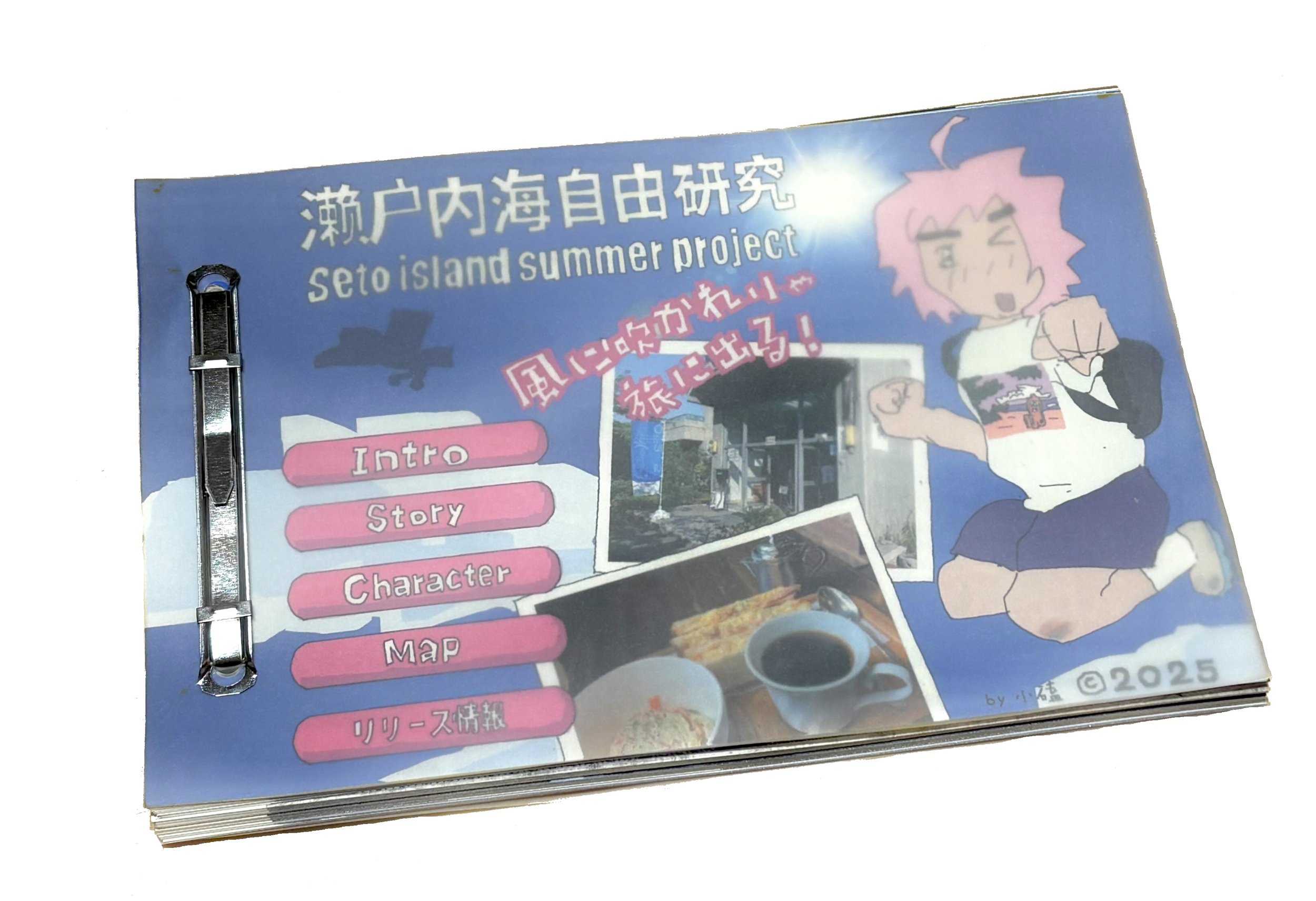
Seto Island Summer Project / 濑户内海自由研究
104 pages · First Edition August 2025
2025年5月19日,我在冈山的濑户内海艺术祭手册上发现了名春季限定展区的濑户大桥区。对限定两个字从未有抵抗力的我立刻决定第二天就前往。
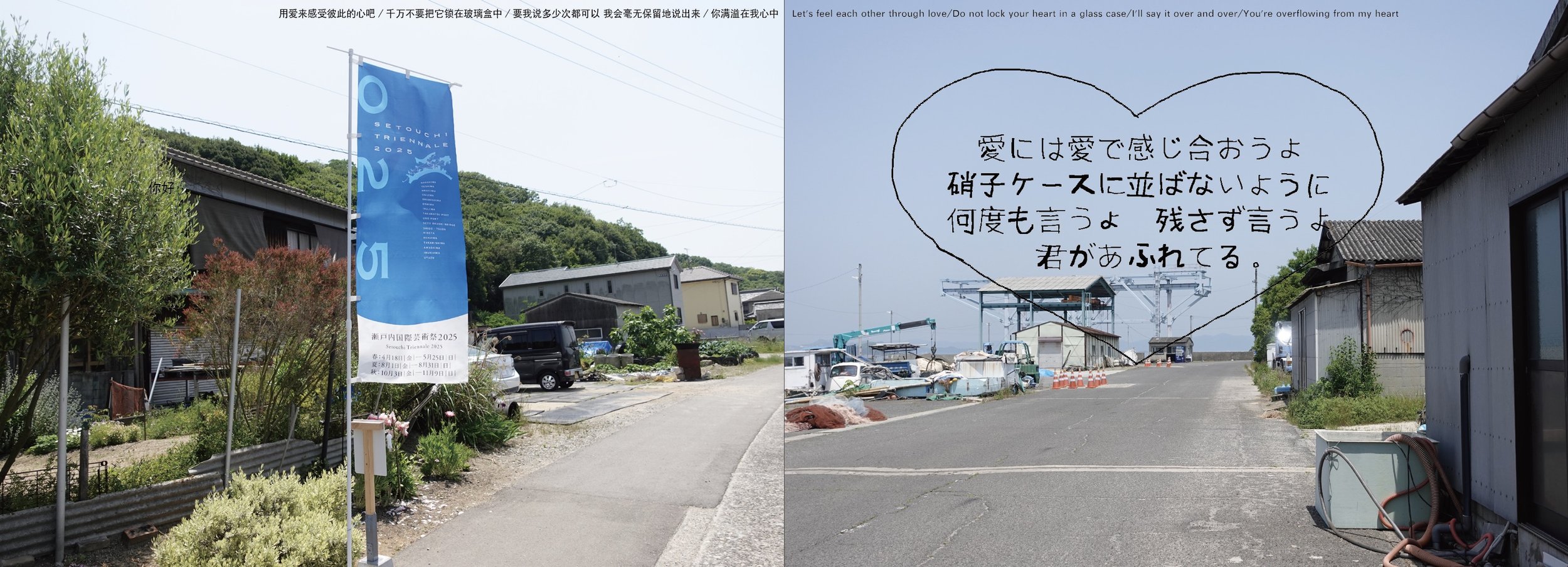
主要展览地点是濑居岛。50多年前的填海工程,使濑居和四国连为一体,过去只能搭船出入的岛变成了开车、骑自行车甚至步行都能前往的地方。1988年濑户大桥通车后,从濑居前往本州也变得轻而易举。总策划(direction)中崎透在展览手册上写:第一次造访濑居时,脑海里响起了90年代恰克与飞鸟组合的<SAY YES>这首歌。“多余的东西什么的,根本不存在”。乘坐巴士,穿越工业区笔直的道路,眼前突然出现了非常岛屿的风景。海风的味道与工业区有些令人警惕的味道混杂在一起,如今的濑居岛正是吸收了这些不断加入进来的复杂变化,像是绕了远路一般,变成了如今的模样。
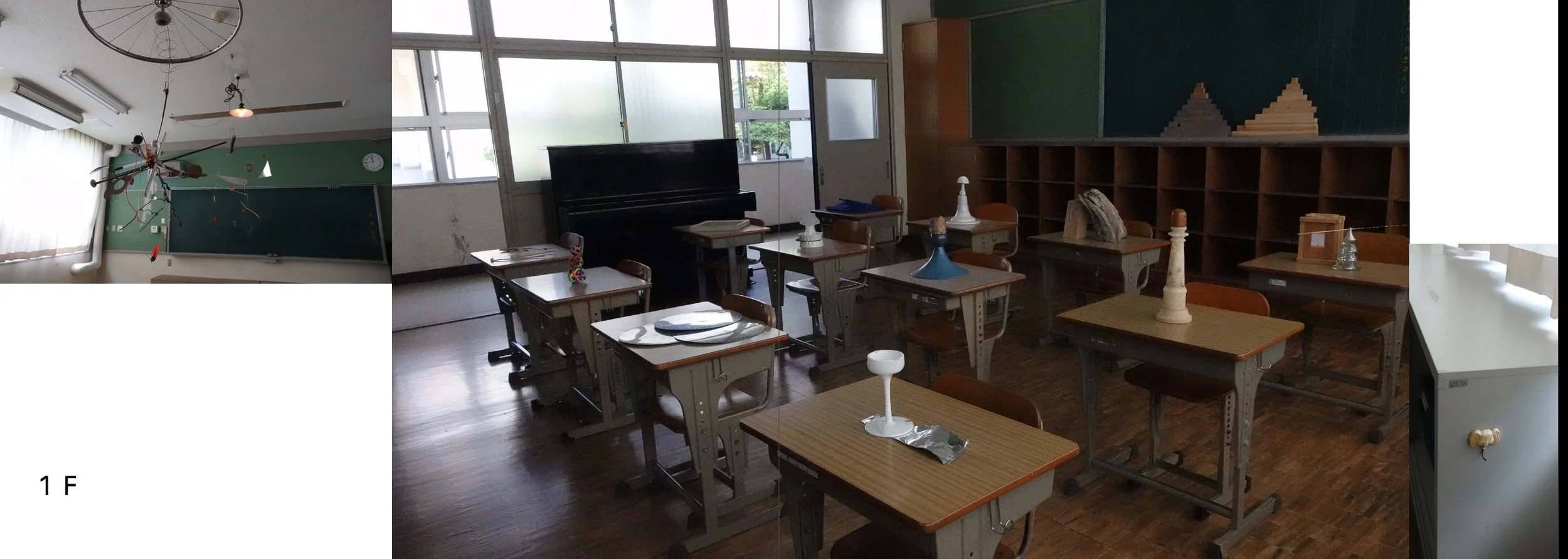
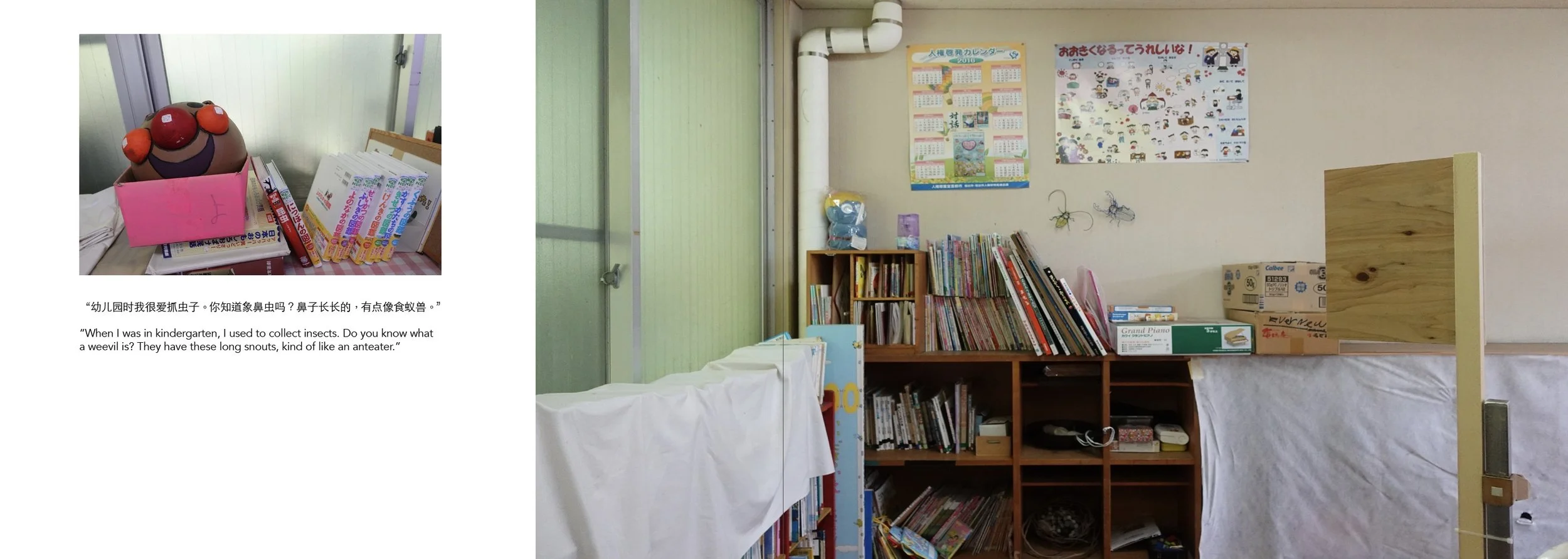
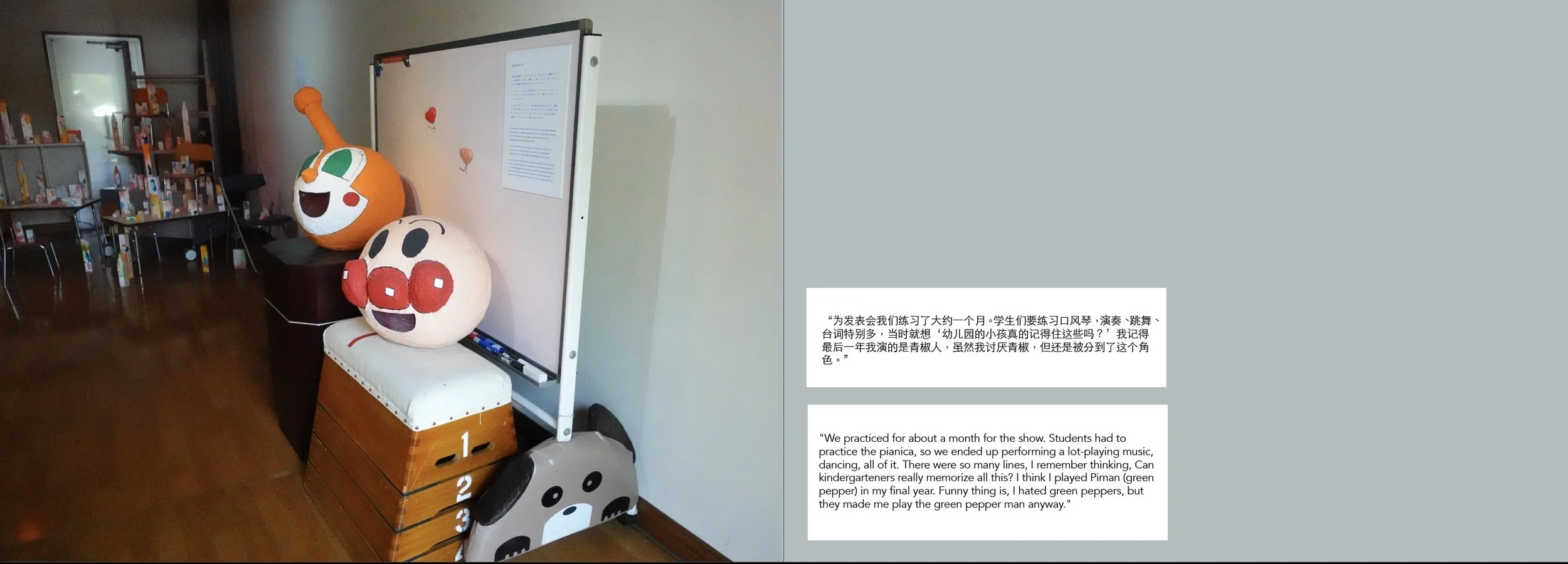
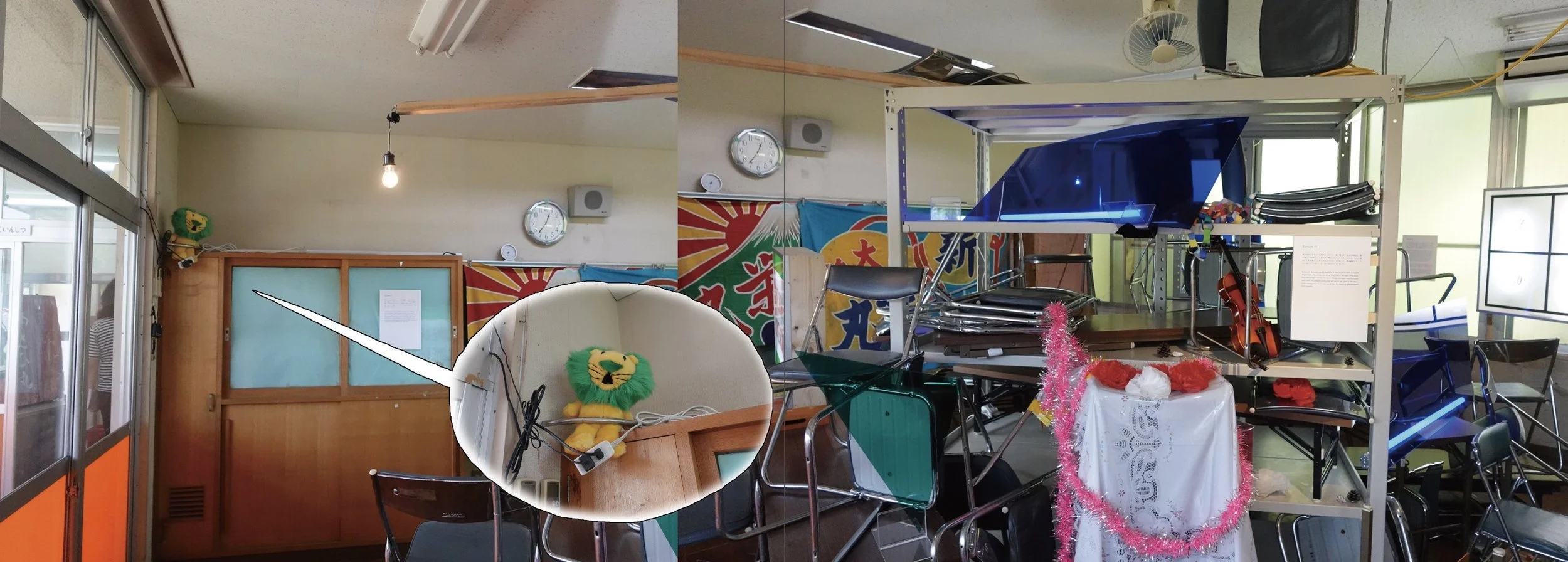
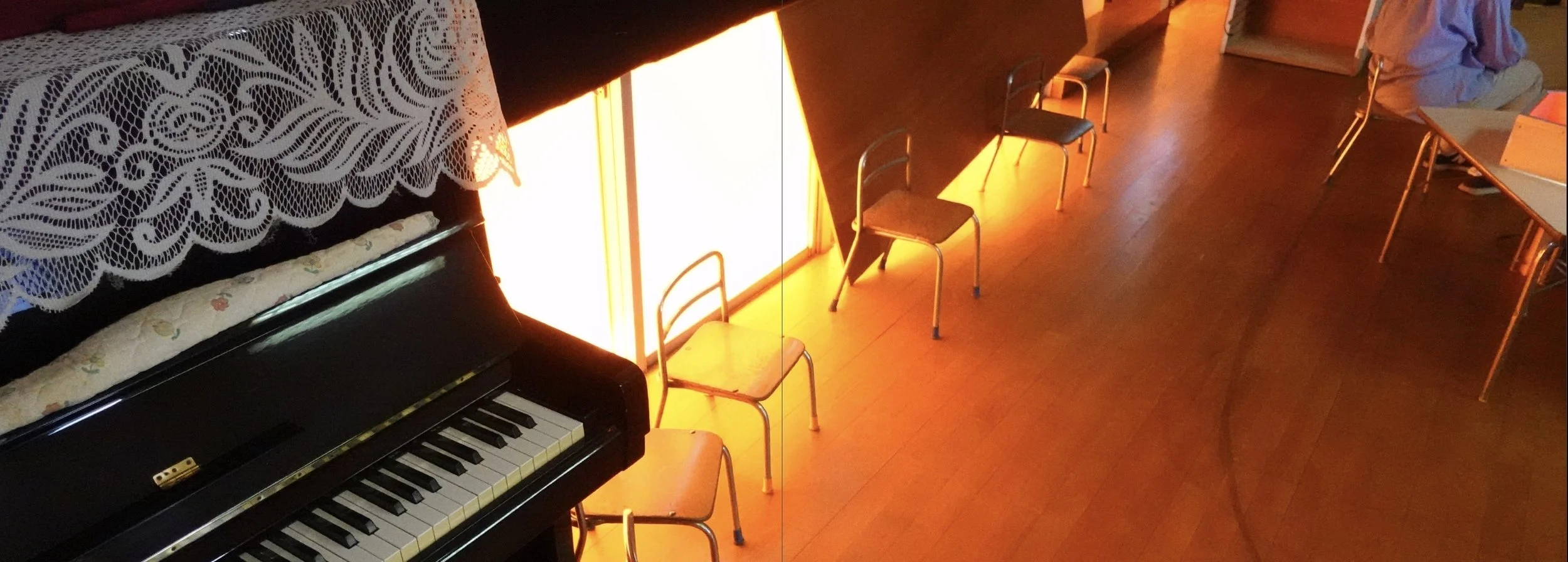
作为主要展览场所的是如今已经废弃的(旧)濑居中学、小学与幼儿园。
On May 19, 2025, while flipping through the Setouchi Triennale guidebook in Okayama, I came across a special spring-only exhibition area: the Seto Ohashi zone. Drawn irresistibly to anything labeled "limited," I decided on the spot to visit the next day.
The main site was the island of Sei. Over fifty years ago, a land reclamation project physically joined Sei to Shikoku, turning what was once a boat-only destination into a place accessible by car, bicycle, or even on foot. With the opening of the Seto hashi Bridge in 1988, reaching the mainland from Sei became effortless. In the exhibition guide, curator Toru Nakazaki wrote that when he first visited Sei, a line from Chage & Aska's 1990s song SAY YES came to mind: "There's nothing unnecessary." Riding a bus down a straight road cutting through the industrial zone, one suddenly arrives at a view that feels unmistakably like an island. The scent of sea breeze mixed with something slightly uneasy from the factories-this, too, is part of what Sei has become. It's a place shaped by complexity, by detours both literal and figurative.
The exhibition unfolds across several now-defunct schools: the former Sei middle school, elementary school, and Kindergarten.
*Selected Pages